The chivalry tales of King Arthur and his faithful knights were probably one of the very first legends I read as I was a child, long time before I got to know the history of it. From epic historical sagas to poetry or YA adventures, the tales of King Arthur belong to, probably, one of the most used historical motives in popular cultures. It is impossible to cover every single media product created around the knights of Camelot, yet some of the books are worth of all attention for those who truly love these myths.
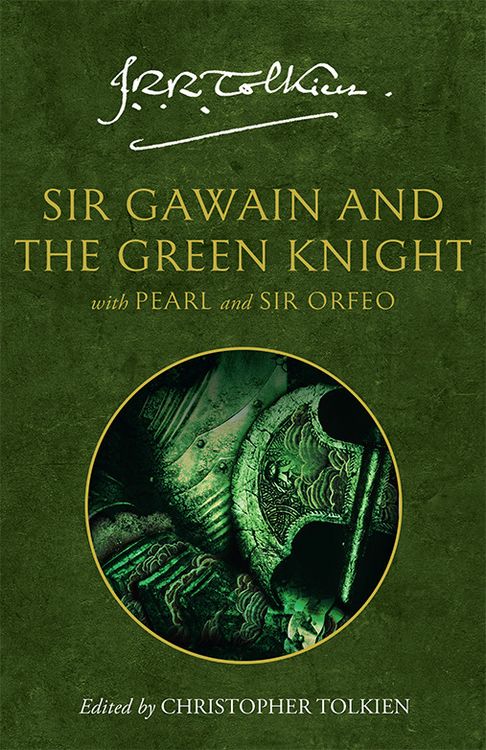
1) "Sir Gawain and the Green Knight", translated by J.R.R. Tolkien
Written around the beginning of the 15th century in Western Midland Middle English dialect, "Sir Gawain and the Green Knight" is probably one of the most approachable and epic poems of Arthurian love, folk-magic and tragedy. Many editions of this translation also contain further two poems, "Sir Orfeo" and "Pearl". Though the latter do not belong to the Arthurian tales, they are equally great and majestic.
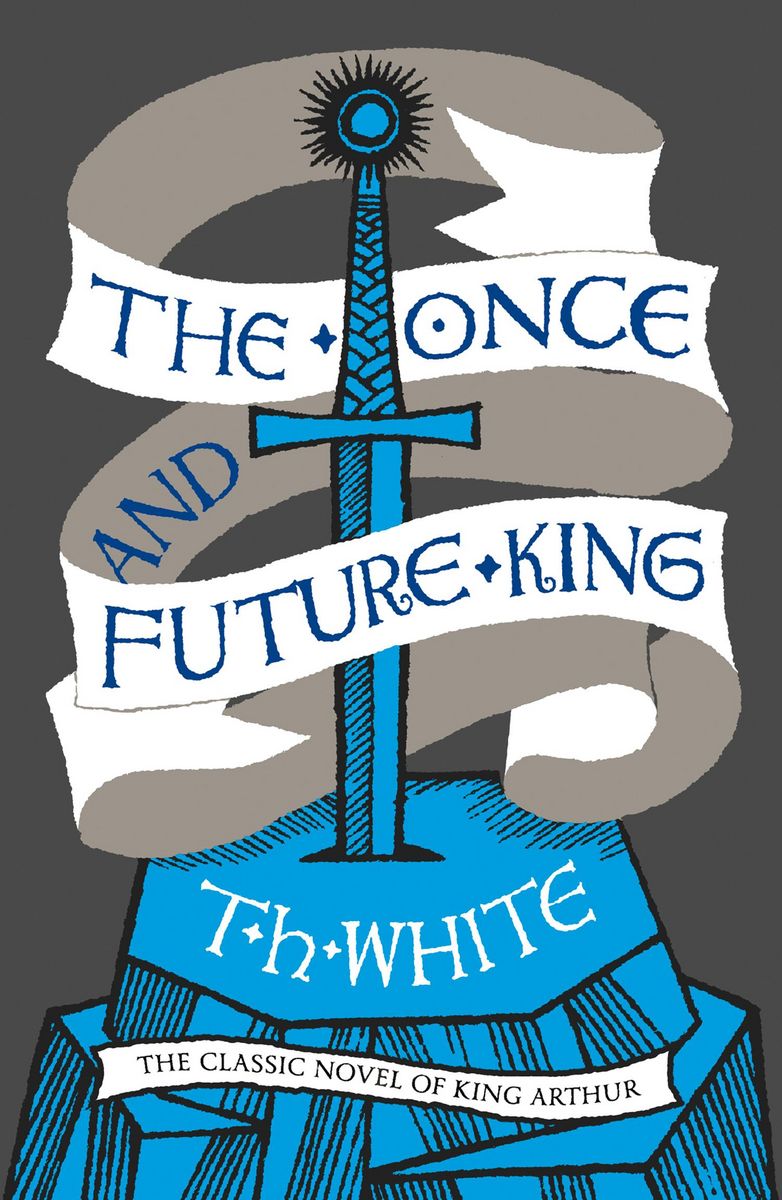
2) "The Once and Future King" by T.H.White
The most classic novel that contains all the most famous stories from the world of King Arthur - the tales of Avalon, the story of Merlyn, the feats of the knights, the magic of Excálibur and the love story of Sir Lancelot and Queen Guinevere. Written in the same time with the greatest masterpieces of the fantasy genre, "The Once and Future King" is an absolute essential of the Arthurian universe.

3) "A Connecticut Yankee in King Arthur's Court" by Mark Twain
Taking break from serious and epic tone, this book is a hilarious comedy about a man from 1800s who happened to travel in time and appear in the court of Camelot in medieval times. The amount of social satire, clever jokes and funny absurd is unreal, and the epic legends of Arthur and his knights are portrayed through a prism of a sceptic yet sly Connectitut habitant. I don't remember a lot about this book since I have read it when I was 14, but I remember having a lot of fun enjoying it.

4) "The Acts of King Arthur and His Noble Knights" by John Steinbeck
It is impossible for me to give book recommendations without mentioning John Steinbeck's works at least once, but surprisingly, medieval historical subject is absolutely foreign for his writing. The more fascinating and unique appears this work that belongs to his late books, reconstructed post-humously. Uncharacteristic topic, yet very recognisable expressionist prose and dramatic impulse hidden in every single phrase.
